
Episode Transcript
Cooking Through Trauma, NYT Bestselling Jewish Cookbook Author Adeena Sussman on Life After Oct 7th
Living under the threat of rockets constantly.
Like change the way you menu, plan and like grocery shop.
I say life in Israel is a contact sport.
The moment you said Hersch's funeral.
Yeah.
Tears sprung to your eyes.
Shit, this is all mine and I'm gonna have to stand behind it.
Such an old Jewish bubbie in my soul.
Today's guest joins me in studio all the way from Tel.
Where she has innovated an American approach to Middle Eastern cuisine.
Through her bestselling cookbooks, digital demos, and culinary collabs, a prolific writer of letters, essays, and co-author of Over a dozen cookbooks, she brings the joy of food to life through narrative.
Ritual and memory.
She met her husband on a blind date, lived in a rental house with John Legend and Chrissy Tegan, and has a brand new cookbook app with 100 recipes in it, most of which are only 10 ingredients or less.
The only thing suss about her is her last name.
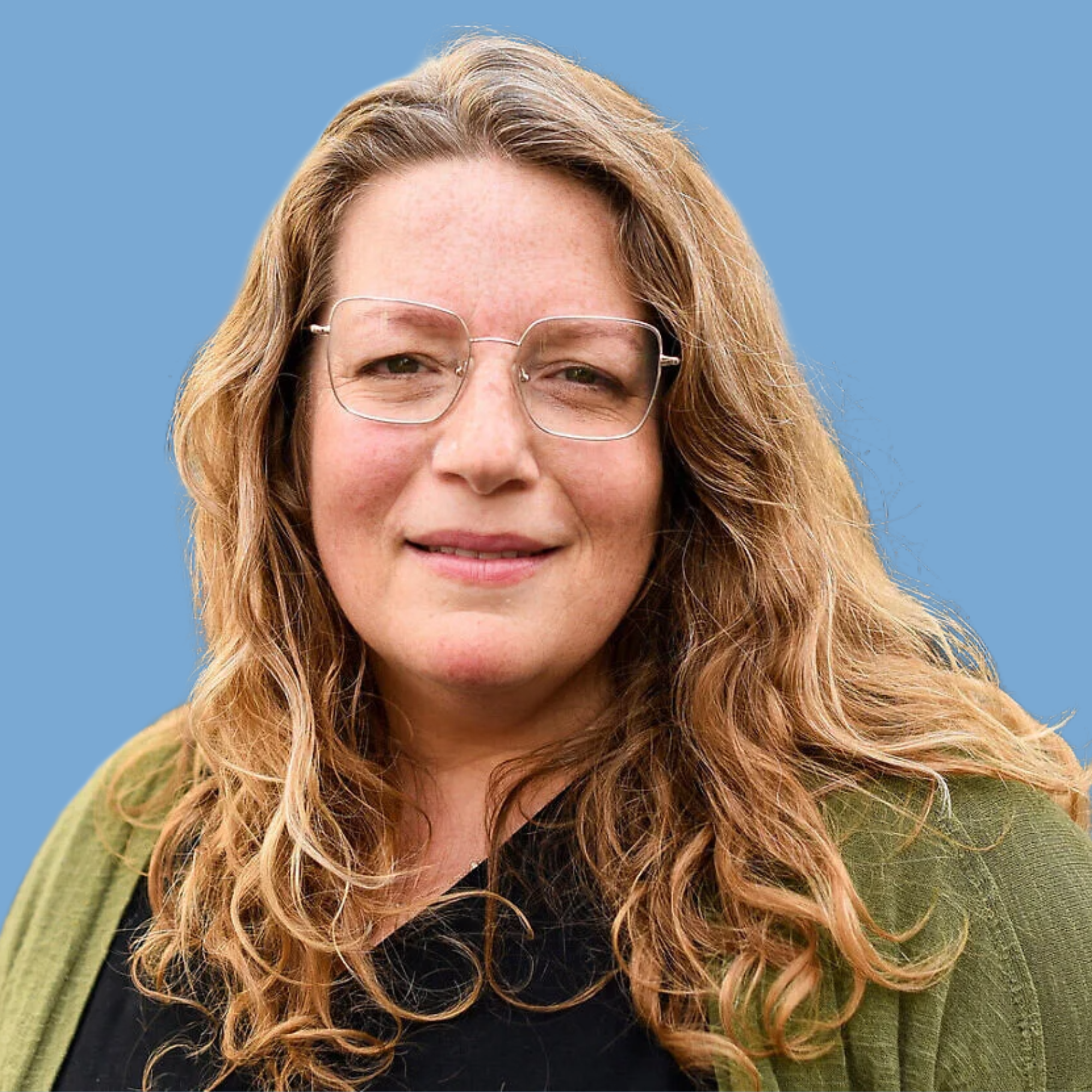
Please welcome the delightful Adeena Sussman.
Hello Adeena.
Welcome back to the States.
Welcome back to California.
So good to be my home state.
I know, but not you're a NorCal gal.
I am.
Pa Palo Alto, but you know, we love our Angelinos.
Thank you, appreciate that.
Um, how is Israel these days?
You know, how, how is life going for you over there?
People are living, you know, there's a little more joy back in the streets since the hostages came home.
Both living and, you know, those who died or were killed and were in Gaza and are now back.
Mm-hmm.
You know, I think there's always Israel, Israelis are really good at focusing on the present and like living in the moment.
And the streets are bustling, you know, people are doing their thing, but there's always the specter of something going on.
So, you know, now people are thinking about Iran, talking about Iran, wondering what's gonna happen with Iran.
But I think also, I certainly have learned in the last decade that I personally do not have control over the situation.
Right.
And I think people there are aware of that too.
So they're going about their lives and being with their families and friends, working, traveling, and doing all the things that everybody does.
It's different in the states where we basically start our election cycles like years in advance.
Uh, but you guys have an election this year there.
Is it already on people's minds or it's different in Israel?
Like you said, that they live in the present.
Maybe they don't think about it till they have to show up.
Oh no, people are talking about it.
People are talking.
I mean, even when there isn't an election on the books, people are talking about it because, you know, because we're in a parliamentary system.
Yeah.
The government could fall at any time.
Right.
So, you know, they're always behind the scenes machinations about who could pair with who, who would, who would be, you know, who are, who would be allied, what the allegiances are.
Um, and yeah, I mean, it's not clear yet when the elections will be this year.
Uh, could be earlier or later in the year, but everyone's always.
Just wondering what's gonna happen.
How, how does that work?
Can you explain that to me?
What does that mean?
We don't know when they are.
Well, Netanyahu gets to decide when elections are called, but they, they have to occur every certain number of years.
Even if they don't call, they have to occur, I believe in October.
Okay.
So's But you back stop, occur in theory.
Call them earlier and you know, it's all about strategy.
You know, you know, like all politicians people are mm-hmm.
Wins the optimal moment.
Exactly right.
Okay, so speaking about like.
The Israeli and American of it all.
Mm-hmm.
Uh, you've been in Israel now like eight years, like more like 10 More Like 10, yeah.
Are you Israeli?
Do you feel Israeli?
I do, I feel, you know, I feel, I always say I'm like an insider outsider in a culinary culture.
And I think, and in the culture in general, you know, right after living there for the better part of 10 years, I would say that I've learned to embrace my immigrant status without trying to prove how Israeli I am.
I just, I love the place that I live.
I love my adopted country.
It's been a part of my life basically since I was born.
Um, and.
Think in a lot of ways I do.
I, I feel, I feel like an American Israeli.
How are you treated?
I'm treated really well, you know?
Yeah.
I think, yeah.
I mean like an Israeli, or are you treated like an American?
I mean my Hebrew accent.
You know, I, I'd say in the last year alone, my Hebrew has gotten a lot better 'cause I lost my self-consciousness about it.
And I think Israelis just like, if you try to speak Hebrew, although chances are they're gonna respond to you in English anyway because most Israelis speak English.
But, um, do I feel Israel, I feel really connected to the place I feel really committed to the place I feel, especially in the last two and a half years.
I feel a mission to support the place, and so, yeah, I feel really Israeli.
Beautiful and American, right, which you are.
Yeah.
It's a little bit calmer now, obviously.
Yeah.
But over the past couple years, like does living under the threat of rockets constantly, like change the way you menu, plan and like grocery shop?
I mean, it's funny 'cause I always joke that American with Americans spontaneity scheduled like three weeks in advance in your Outlook calendar, Uhhuh, uh, you know, it's like, let's be spontaneous next month.
And in Israel.
Life in general is very by, you know, on the fly in the moment.
Right.
And that's kind of, I always have things around to eat and when people stop by, we live in the Carmel market area and constantly people are like, Hey, we're downstairs.
Can we pop up?
And you know, I am, I am a cook.
So people do expect a snack, do they?
Oh yeah, for sure.
Or you're like, I'm doing the laundry, and they're like, no, no excuses bust for assessment.
Now there's always gotta be something in the fridge.
And there always honestly is 'cause I'm usually either developing recipes for cookbooks or filming for social media or cooking for my, my family.
Um, so yeah, I mean, and then as far as.
The, you know, how do we live under the specter of rockets?
It's really the, I think it's really jarring the first few times it happens, like there'll be a siren or an alarm people, everyone's really good at getting organized, getting into their place, and then the minute it's over.
It's definitely not an LA vibe of let's process this together.
It's the opposite.
I, we gotta go back to this meeting.
It's like, I gotta get on with what I'm doing.
Yeah.
You know, my lunch is getting cold.
Yeah.
And it can be, I think if that is something that took a little bit of getting used to, but I'd say I've definitely gone to the other side now.
Yeah.
And it's, and it's, it's fully authentic, like.
Yeah.
I think, or is there, is there a little still fake until you make it?
It's, it's, I think it's, it's functional compartmentalizing.
Mm-hmm.
I think that's what a lot of Israelis are really good at.
Right.
And it's, it's, it's actually, you know, you have to make sure to remain in touch with your feelings and what's going on so that you know that you're not.
You know, overloading all of a sudden, because there's a lot going on all the time.
I mean, I live a six minute walk from where the missiles landed, um, in June, and you know, I'll forget, and then I'll just be walking to meet a friend at a cafe and then I'll be like, oh yeah, that happened.
I was actually not there in June, but I came back to not in the country.
I was not, I was in the United States at the time.
Good.
And I was also in the United States on October 7th.
So.
Interesting.
Yeah.
So many of my guests on this show were in Israel on October 7th.
Yes, I know.
Well, it was the Hol Jewish holiday.
It was ko, yeah.
Yeah.
I was in the middle of the book tour for my Shabbat cookbook.
Right.
Um, which changed a ton, obviously.
You know, it was supposed to be the celebration of Shabbat cooking and Jewish joy, and it turned into like, you know, dozens of, of group therapy sessions for me and for the audiences where we were.
I was.
Trying to comfort them.
They were comforting me.
We didn't not talk about food.
We did not talk about the book, but it was definitely the, the specter of what was going on was certainly present.
Yeah, that's interesting.
It really was.
I'm assuming like you didn't cancel any dates.
I was, I thought other people would cancel.
The audiences still showed up.
Actually, the audiences grew.
Wow.
It was really, people wanted to be in community, people wanted to be together.
Three days after October 7th, I was supposed to have my first event as part of the New York Wine and Food Festival.
We turned it into a fundraiser for Wow.
Um, and it was me and Hani Applebaum, a a a.
Kosher chef name called.
Her name is Busy in Brooklyn.
Nice.
And people really came out to support.
And then another few days later, um, myself, uh, Nama Sheie from the Jewish Food Society, Rachel Simons from Seed and Milina and a bunch of other Jewish and, uh, influencers and chefs, Jake Cohen, Ben Jji, bread's, bakery, tons of people.
We all came together to do a bake sale that raised like over $30,000 for causes and, and then.
I started all my events again.
Um, my first event was in Boston before, the week before there were 250 people registered and all of a sudden there were 450 people.
Wow.
So that's, that was kind of the effect that it had.
That's so interesting.
And it was amazing, honestly, the word used the specter of like hanging over.
Yeah.
Was, was addressing that.
You driven when you were in these settings or was it the audience driven?
I was kind of trying to feel the vibes in the room and see, you know, when you speak a lot and you're out in, in the Jewish community, um, and by the way, a lot of non-Jewish people came out to support as well.
Um, it, you know, I have a lot of followers and cooks who Sure.
Make my food, you know.
There, there were lots of other people in the mix as well.
And you know, I think it was sometimes what did I need that day?
You know, like, like, and how did I wanna show up?
And if I was feeling sad or vulnerable, I would share that.
And if I was feeling a little stronger, um, that would also come out, I think, in the mix.
Um, and, you know, people, no questions were off limits and there were lots of cooking demos and there were moments where I was able to escape into the.
Pure joy of cooking, which I think were just so useful and necessary.
Totally.
And like I think that is something that cooking can accomplish for anyone at any time, and that's one of the reasons that I love what I do.
Amazing.
Yeah.
We should all be so lucky.
You, you mentioned that you, you have this like insider outsider Yeah.
Sort of status.
When does that duality feel?
Like a gift.
And when does it make you feel sort of like an outsider?
I have like a journalism background.
Yeah.
And a real curiosity about things.
Um, and I grew up, you know, I grew up going to Israel, um, and I spent a gap year in Israel between high school and college.
I lived in Israel for five years after college, before I moved to New York to pursue my culinary career.
And so it's not like when I made Aliyah, I was.
You know, everyone said, oh, you're so brave to move to another country.
I spoke the language, I knew the culture.
I had friends I had already been writing about Israeli food and wine.
Um, but, but there were those moments, you know, when, you know, I was trying to deal with, uh, immigration papers or language barriers, or the healthcare system or whatever, when I definitely was like, oh, you still have.
The learning curve is still steep here.
Sure.
And you know, obviously sometimes feeling homesick, but also just feeling really embraced, especially by the Carmel market where I moved and by my, you know, I, I got married at age, uh, 45.
Amazing.
So I met Jay later.
And became a grandma at 46.
We called it the single to soft to plan.
Nice.
Skipped having my own kids.
But I have two great grown step kids, and now I have two grandchildren.
Wow.
Ages seven and four.
Um, and so, you know, all those, I was really quickly immersed into local culture through my family and also through my work and just getting out into the market every day, talking to people, asking a lot of questions.
And, and you know what I always tell new immigrants to Israel is, you know.
Don't try and hide where you're from.
Like it's an asset.
Like you, you know, show people that you're, you're new here and that you're interested in what they're about and like, how could people not be happy that you've decided that you wanna make your home in this new place?
And that's how I kind of approach it.
And I just ask a lot of questions in the Shook and, you know, anything, I don't know, I try and learn by asking without pretending like I understand more than I do.
Did you.
Very specifically moved to Karma Market or just sort of lucked out that way?
I think Jay realized that I'd be much happier, much faster if I was like in a, in the market.
'cause I, I always loved being near the food and the markets.
Sure.
And he loved that area as well.
And, and it definitely was like the right move.
We still live there 10 years later.
I mean, you see our apartment on, there are pictures of my apartment.
I've been to your apartment.
Yes.
You have.
Mm-hmm.
So how many years ago was that already?
That was, that was April of 23, so Oh my gosh.
About years ago.
Wow.
Yeah, so you, you know, you see where we live?
We're really right there.
Yeah.
That 32nd walk from inside entrance to the market.
It's the beating culinary heart of like Tel Aviv.
And it's just great to, I always say I need to touch the shook every day, whether I'm shopping.
Just going, saying hi to my vendors, using it as a way to, to walk to other parts of the city.
The Carmel market in the Yemenite corridor where I live used to be really considered South Tel Aviv, and it's really now South Central Tel Aviv.
Like the city, the whole city's focus has moved southward as well.
Mm-hmm.
Also as Jaffa has developed, and so it's really an area where.
People love to be and the, you know, the beach obviously.
What do you wish people understood about the everyday human side of life in Israel?
That's a really good question.
Um, I think that it's a very community focused place.
I think it's a place where, um, you feel safe when you walk around in the streets, which is a very crazy thing to say.
I think it's a very.
Intense and loving place.
And it's a very, uh, like I say, life in Israel is a contact sport.
Hmm.
You know, there's, people are upfront and direct.
Yeah.
And you gotta be there too.
But on the other hand, I also have my, my ways of just like, you know.
I'm that person.
Like if the metaphor is like, if I'm driving on the highway, I let people drive around me.
I don't need to speed up to meet everybody all the time.
Sometimes you just gotta like lay back and let everyone do what they need to do.
And I would just say it's, it's a diver, it's a really diverse place.
Sure.
Religiously, culturally, there are people of all colors, um, from all over the world.
And you know, the shook itself is, it's really an interesting example.
You know, until I moved into the Carmel market, I didn't realize how many people.
Of other religions work there.
You know, many, many people who live work in the Shuk are Muslim and on Muslim holidays, the Shuk is a lot emptier because some of the stalls are closed.
A lot of the people who deliver and bring the food to the Shuk are not working, and it's the shook itself is kind of.
An object lesson in different religious calendars in Israel.
You know, you'll, you'll know.
Oh, it's, so you'll say, oh, how come, how come they're not there today?
Oh, well, it's Iftar.
Right.
You know, it's, it's a, it's the, this day of Ramadan and you're like, oh.
And then also, you know, there are a lot of people from Eritrea and Sudan and, um, some of the Eritreans are a cop and are an Ethiopians are Coptic, mm-hmm.
Christians.
Mm-hmm.
So they'll have a charcoal cross on their forehead if it's a, if it's a Christian holiday.
And that reminds you also that, you know, all the religions are living in the shook.
And, and also just, you know, I'd say Trina is a great example.
Like most of the Tona in Israel is made by Palestinians and bought by Jews.
And there are like lots of, lots of examples of all this like cultural and culinary coexistence that happen every day in commercial coexistence that just happen a lot.
You're a writer.
I mean, you were a writer first.
I was, yeah.
Um, what drew you to.
Cookbooks as a, as a literary medium.
I know I've, I've, yeah.
Saw you wrote that.
You, you read them like novels, your first.
Place you're turning to for a recipe is the internet.
Yeah.
Or chat or something like that.
Mm-hmm.
You know, so I'm not saying that you shouldn't go find a risotto recipe online, but I feel like a risotto recipe is so much richer if you understand its cultural and culinary context.
Who made the recipe?
What's the story behind it?
What are there, what, what are all those little like granular details about how they make it and how they arrived at that recipe?
And to me, those are things that can be.
Told and expressed in a cookbook.
Um, and you know, for me a cookbook is just like any great book.
It has a, it has a, a narrative arc.
It has, you know, my Sababa cookbook, which came out in 2019, is the story of my immersion into Israel through a culinary lens.
And I opened the book in The Shook, just me like, and truly this happened like many mornings, like I would be the actual first person in the Carmel market.
How early in the morning is that?
Not that early.
Not that early.
I'm surprised.
Tel Aviv is like a later city.
You know Jerusalem if you go to the Mata market.
Yeah.
Jerusalem's a religious city, so people are going to pray and then going to work.
Mm.
Tel Aviv.
Mm.
People are, they're sleeping in.
They were out last night a little more, or just, you know, it's, people are taking it slower.
They, they work a little bit later as well, so our.
I think it was maybe even like quarter to seven or seven, and I just showed up one of my first days living in the area and I was, I was like, I'm ready.
I'm ready to shop, I'm ready to eat.
And it was just me, you know, and the asphalt right there.
So, um, those are stories that I tell in the book and, and I think I really can bring the place to life.
And then I think it makes the, the recipes and understanding of them deeper and more delicious and, um.
That was always my experience.
Like on Shabbat, I grew up in an Orthodox Jewish home.
Mm-hmm.
And everyone else was a napper and I wasn't.
So when I would read everything else that was available to me, I started opening up cookbooks, uh, and reading them.
And I was very early on entranced by like what I saw in the books and.
Eventually I learned that writing cookbooks.
Once I, I had, I eventually had both a culinary background and a writing background, and I realized this light bulb went off that maybe I could make a career out of.
Like working at the intersection of those two things and working in cookbooks, you know, that I was like, oh my God, if that could only dream, and like the dream somehow came true.
What draws you to writing about food?
The way that I approach food is really steeped in my, my Jewish background, like we are learners.
And mm-hmm.
Readers and people of the book.
People of the book.
And, um, that was certainly was true in my house.
And I, I, I always say that when I'm writing cookbooks, especially, I'm trying to create what I call forever recipes, something that you're gonna turn to again and again, and it's like kind, gonna become your story.
Mm.
But I need to sort of like.
Lay out the premise for why this recipe is worth your time and put it in, like, make it worthwhile for you.
And like the, the writing is the pitch.
That's the sell, that's the story.
That's the way that I get you hooked in.
You know, if you just look at a combination of 15 ingredients on the page, unless you are like a really seasoned cook, you're not gonna know necessarily, you can't cycle through and say, that's gonna be amazing.
But if I tell you that my.
Mother's potato kogel that she learned from her mother-in-law.
My grandma Mildred.
If I tell you that it has an amazing story about how my grandmother finally got an engagement ring on her 25th anniversary, that's gonna make you want that kogel even more.
Hmm.
These are recipes that have family stories and my stories, and I think what I'm trying to do is encourage you to then make it and then add your own story to it.
I wonder if there's people.
Like cooking that dish and they're like, yeah, I got this from Medina's.
You know, mom's mother-in-law.
Totally.
Yeah, totally.
It's, it's amazing to me, you know, when they say, oh, I love that story about your Grandma Mildred, and you know it, for me, that is so special that I'm carrying on her legacy and you know, it's pretty cool.
Yeah, like.
She, she, her whole life was about shepp for us.
And now like I'm she, that Grandma Mildred's recipes are in there, you know, and she was a great cook, but my mother's mother hated to cook.
And I talk about that too.
You know, it's not like I grew up in this environment where everyone was just this, you know, Mormon fuzzy Bby who was cooking all the time.
My mother's mother was like a child of the depression and was pulled out of school at age 12 to sort of be like a Cinderella for her family cooking and cleaning.
Mm.
And so my mom didn't.
Grow up in a house where food was valued and cooking was considered this like.
Amazing connective experience and she had to learn that when she got married.
So I'm so glad that she did.
'cause she really passed that along to us.
So nice.
Myself and my sister.
Yeah.
You also are a prolific writer on your own substack.
I try.
When, when and why did you start doing that?
I think I wanted to go deeper on certain subjects.
I mean, even, especially during the war.
Um, I'd say, you know, my mo I had a po, a post on Substack that.
Went viral.
I didn't even realize that was a thing when I started writing Substack.
Which one?
It was after I went to, um, Hirsch Goldberg, Poland's funeral.
Mm-hmm.
Um, and you can't express that, those things the same way on Instagram post.
Of course.
So it just, um, excuse me.
No, please.
What's the, what's coming up for you right now?
No, just.
To have the ability to tell stories deeply and to have a place where, um, you can write at any length that you want and people are coming because they want to read that.
Um, and that was just a time when I really felt like I had something I wanted to say and, uh, share an experience with people.
And so I think though both those, and also just a chance for me to post more holiday recipes or my whole thing that I do is about building community.
You know, my Instagram is not really.
Monetized.
You know, there are a lot of people who, they make their living as a content creator.
Right.
Or they even get paid because they have big followings, which is so amazing.
I use my account as a way to carry my community between cookbooks.
The moment you said Hershey's funeral Yeah.
Tears sprung to your eyes.
Yeah.
Is that, where does, is that, I mean, I know Rachel and John, we're not close friends, but we are friends and you know, I think that.
Her and, and Rachel and John have been a real symbol, especially for American Jews.
And I would say even myself living in Israel, their story was a story that humanized what was happening for a lot of people, including myself.
Mm-hmm.
And you know, just going, being able to share their grief and with.
Tens of thousands of other people.
You know, of course it's been said before, but like, it felt like we were being comforted by them as much as everyone was trying to comfort them.
You know, this phrase recipe development?
Yeah.
It's a, it's a phrase I hear, you know, you, you chefs use all the time.
What does that really mean?
Every ingredient and technique is like a line of code in a recipe.
Like I know at this point that if I take an onion and cut it with a certain.
Type of onion with a certain knife to a certain size and cook it in a certain skillet with certain oil, a certain temperature for a certain amount of time, it's going to yield a certain result.
Yeah.
And that's like a line of code.
Mm-hmm.
And I have thousands of those at this point, but it's how I vary the program and how I mix and match everything.
So I have a lot of like the base knowledge, but it's all about.
Thinking about you, the end user and like how is this gonna work for you?
Are you testing in real life scenarios?
Like, oh, I'm making Shabbat tonight.
There's this thing I've been wanting to think about.
Sure.
I'm gonna try it out for sure.
Especially if it's, you know, the Shabbat cookbook had all of these like really large format, overnight cooked.
Chalin and Hamin from different Jewish cultures.
You know, one of the things I wanted to do in the Shabbat book was, you know, maybe if you're an Ashkenazi Eastern European Jew, you're used to a C Chalin or a stew.
That's one way, but there are dozens of versions of that Yeah.
In Israel.
So I would make them all, um, and serve them for sure.
And cool.
Get reactions a hundred percent.
What hamin, most people in Israel call cha Hamin.
Mm.
It's the more, uh, mishi and Sephardic way of saying it.
Also, Dina is the Moroccan specifically way of talking about those long cooked overnight stews.
For Shabbat, it, it, right now it's winter, you know?
Rainy season is humming season in Israel.
Mm.
It's never gonna be like snowy, cold in most of Israel.
Right.
But like the minute there's a weather, forecast of rain on a Saturday, everyone's putting up their C chant on Friday.
And seriously, sometimes the whole, you get the aroma on the street like you're walking by and you see that ev, and of course everyone's posting them on social media.
Oh, of course it didn't happen.
If it, if it doesn't show up on, you know, on your social feed, baby, we got a stew going.
Uh, that leads me to a question that I wanted to ask, which is, you know, you, you're bringing so many different facets of Middle Eastern cuisine to life Yeah.
And all your books, and all your recipes.
How did you become so well versed in Yemenite and Iraqi and Moroccan and all this stuff?
It's like, I put in the time, I, I first, you know, one of my first big assignments as a freelance writer was I wrote a book about Yemenite.
Jewish cooking for a gourmet magazine and I spent every time I went to Israel several times that year and I got hooked up with two sisters who sang in a Yemenite choir and they taught me so much, all the spice blends, all the Sabbath breads, all the different things that they do.
And that was really a window to me in like how I wanted to.
Do this.
You know, especially, I feel like when you're inserting yourself into someone else's culture, you need to to respect it.
Yeah.
And to pay your respects, especially if you wanna interpret it in your own way eventually.
Or put little twists, you need to go to the roots and Right.
Share the roots and acknowledge the providence of the recipe.
Yes.
Whether it's.
Israeli or Palestinian or whatever the recipe is.
And I really try to be careful with that in my books.
It's not that I don't put my own twists on things.
Sometimes I don't.
If it's really traditional and, and that's the way it's supposed to be, I'll just leave it.
But, um, so, you know, for Sababa and Shabbat, I went out and cooked with 15 to 20 people in their homes or in my home and have them tell me the stories and show me the techniques, and I record everything.
I go over it.
Many times I'm like very, it's very important to me that I get it right for these people.
And then if I make a change or an adaptation, that's not their recipe, I usually ask permission from them.
You know, what do you think if I add X to this?
Or do you mind if I even a technique sometimes, you know, we all have our ways of making traditional recipes, and again, as that outsider, I might be like, oh, I could save a lot of time by doing it this way.
You know, you don't want someone to feel like you're giving, maybe that one technique is like really spiritually important to them.
'cause they can think of their mother having done that.
Right.
Right.
I don't know.
So I always check and get permission before I do something like that.
Really like alters the sort of essence of the recipe exposure.
You can also just living in Israel, you know, it's a, it's an, it's, it's an object lesson in multiculturalism.
You know, there are dozens of cultures that have made their home in Israel and their culinary.
Traditions have, it's a true fusion cuisine, you know?
Right.
Like if you go to a falafel stand, there are gonna be condiments from like five different nations that are, are permanent fixtures on the stand.
There's amba, which is an Iraqi Jewish thing that the Iraqi Jewish community learned when they went to India for business purposes.
There's, there's, which is yemenite.
There's, you know, uh, harissa usually.
You know, and that's Moroccan and, and there's Tina, you know, so it's, it's, it is really interesting and I think a lot of times Israelis don't even necessarily think about it 'cause it's just natural.
Right.
But you know, it used to be with in, if you went to Israel until about 2000 people would be like, I went to Israel.
Israel was amazing, but the FI just food was like, eh hmm.
It was like, there was great shawarma falafel.
Right.
You know?
Like the, the local kind of street food, traditional things.
But the restaurant scene, it used to be that like the mark of a great chef was someone who could cook great food that was from outside of Israel.
It showed that you were sophisticated, right?
If you could cook French food, French techniques, or Italian food or Spanish food, or even American food and you know, is as Israel sort of.
Opened up and became a wealthier nation, and people started traveling more and the internet happened and young chefs started going on those, you know, trips to work in Michelin restaurants around the world.
I think this light bulb went off because they would get to a Michelin three star restaurant in France and.
See that all that the French chefs were doing was coaxing the best out of what was growing right around them.
Mm-hmm.
And they were like, wait a minute.
I live in this place that has like the best produce in the world.
This amazing sense of immediacy, of freshness.
Um, we have incredible olive oils.
We have incredible cheeses.
We have incredible wines now, and we have the advantage that a lot of other people don't have, which is this true, this, this tapestry of so many cultures.
Who's got better produce Israel or California?
You know, it's really funny you ask that because I think one of the reasons I feel comfortable in Israel is 'cause there's like a continuum between the way I was raised and the, the things that I see.
Like growing up in Northern California, you know, we had pomegranates, we had mm-hmm.
We had figs, we had, um, all these, we have citrus.
We had, um, there was, there's sheek, which are loquats, which our neighbors had a loquat tree.
And I just had a long period of decades of never seeing another sheek.
And then I moved to Israel and people treasured them during their short season.
And I love that about Israel and also about California.
People get excited about produce, right?
So we mentioned it earlier.
Yeah.
You've co-authored many cookbooks.
Mm-hmm.
That's really, you know, where you got your feet wet in terms of cookbook writing.
Oh, yeah.
What makes you so good at helping others articulate their culinary voice?
I always say that if I didn't do what I do, I would love to be someone else's, like executive assistant.
Like, I love to help other people, like get their stuff done.
Wow.
I'm like very like, detail oriented about that.
And like, I, I'm like a helper personality.
I like to help other people shine and I love to collaborate 'cause.
I, I, I, again, it's like staying in that place of learning.
Like when you write a cookbook with someone else, like, it's like you're being welcomed into their brain and their kitchen and their entire culinary universe.
And that's such a privilege.
I have like the technical cooking skills and the technical writing skills to help them do that, and I'm like a very collaborative personality, so I love doing things with other people.
You can five seconds on your Instagram, you can see it.
When I realized that cookbook, co-authoring was a job.
I was like, I could this.
I could do this for a living.
It's less risky because.
Emotionally, what you're doing is you're helping someone else and then the minute the day the book comes out, you get to move on and say bye-bye.
And they have to get tour.
It's their vision and they get, they have to, they have to stand up for what they believe in.
They have to show their book, their their thing.
And I got to move on to the next one.
And then when Sababa came out, all of a sudden, the night before the book came out, I was like, oh shit, this is all mine.
I gotta, and I'm gonna have to stand behind it, you know?
And that was like a big transitional moment for me in my professional life.
From becoming more the supporter to the person.
Was there something burning inside you to say about food or about yourself that you're like, I'm ready to, I'm ready to express this?
I, I don't think I realized it until, until I was living in Israel, but I think that I realized that I had an opportunity to share a culture that I loved with the world, and I had.
An audience who was hungry for it, no pun intended.
And also, you know, through my work with Chrissy, I had become a little bit better known.
You know, I would wake up at her house where I lived for three months at a time when we wrote books, and I would have 500 new followers in one day or something.
Mm-hmm.
Because she had tagged me in a recipe or a picture and, you know.
I met Chrissy and my husband at the same, in the same month basically.
It was a great month for, it's a hell of a month, blind dates like fall 2014.
Wow.
And so, and then I started spending more time here between my work with her.
And so people were looking and I was in the Shook and I was like.
I'm gonna start posting a lot about my life in Israel and people stuck around.
Mm-hmm.
You know, and they, you know, they weren't just there to see Chrissy Teigan.
Right.
Uh, also 'cause she's amazing.
But, um, you know, but you had very low churn, as we say.
Is that what they say?
Yes.
Like the audience, the audience stuck around for the news stuff.
They around and they didn't, high engagement, all that kind of stuff.
Yeah.
You know, so, and, and I saw that I was onto something and, and at the same time, around the same time, I sold my.
I got my, my agent encouraged me to write the book proposal that became Sababa.
Um, and the story flowed really naturally because it was really, each of my books is really kind of a memoir of that era of my life.
Like Sababa is really the story of my absorption into his Israeli culture through the lens of food in the Shook Shabbat is.
I've been there for a while.
I wanna deepen like that Venn diagram of my Israeli identity, my Jewish identity, and my culinary identity, and like how can I do it?
And Shabbat just kept popping up 'cause it's like a Jewish holiday that 80% of Israel celebrates every week.
Mm-hmm.
Basically.
And then ese happened, the war happened and I was there just needing to cook and put food on the table and create this island of calm for myself.
And the people eating my food, and correct me if I'm wrong, is Saab that had 125 recipes.
Sababa and Shabbat.
Shabbat, they both had well over a 110, 120 with all the staples and all the different things.
So to me that sounds absolutely insane.
It's insane.
Writing a cookbook is that's not, is that, that's not regular for a cook.
That's gotta be way above average.
Most cookbooks worth their salt.
Again, no pun intended to have a hundred recipes.
Okay, mind you.
Um, this book Zare is like a little, you have a copy of it somewhere, don't you?
I do.
Let's show everybody.
Yeah.
So here's my new one.
It's coming out April 28th.
Gorgeous.
Like all your books, you got that beautiful, like primary color and the beautiful plate.
Yeah.
Super bright and colorful.
I just want, you know, the pictures are so important and, um, oh, it's thirsty.
Yeah, we're big smoothie people in my house.
Oh, good.
Yeah.
Good.
When, you know, if you write a novel, it's a ton of work.
Sure.
But there's no visual element that you, you know, I do about 14 days of photography for each book, and I That's a lot.
Say that each.
Well, yeah.
Well you do about.
10 or 11 recipes a day.
So like, like Shaaba and Shabbat had like a hundred twenty five hundred thirty recipes.
Sometimes you have reshoots.
Also shot portraits of people.
We went outside, did different things.
Are you cooking all the things for the book?
Yeah.
Are you, you cook the ones that they photograph?
Oh, me and my team, yeah, I do.
In the states, there's always a professional cook as well who's doing the food styling, but.
Myself and Nore, who is the visual stylist for the book.
She's really my partner and I, we do it together.
Like And how much, sorry.
And it's no fakery.
That's what I was gonna ask.
Like how much it would be's.
No clue.
There's hair Are we like now we have to jit for the photo.
Everybody eats everything.
There's no, there's no, and this is how it would be.
You would present it at table.
Oh yeah.
It's my job to plan the entire shoot.
The order of the recipes, all the prep that had all the shopping, that it's a huge amount of work.
It's enormous.
It's three days of work, at least for each day of photography.
So that's like 50 days.
It's like, you know, six, seven weeks of additional work just for the pictures.
You gotta be organized.
And you saw my house.
It's a great kitchen, but it's not huge.
Yeah, no.
So you're, you gotta be very, but yeah, I love it.
And you do it all in your home.
We do it all at the house.
Come on.
All at the house for all three books.
Uh, yeah, the first, well I was living in another place, the first book, but yeah.
Now are ris you.
They're pictures of my family and my kitchen in there.
I know.
I feel like they were outdoors, right?
Uh, yeah.
We did some stuff on the deck.
Have a deck.
That's our kitchen.
Look at that.
That's my family on the deck.
Gorgeous.
My dad and my stepmom made Allah four years ago.
That's fun.
They live in Jerusalem.
My husband's sister lives in Israel and her kids and grandkids, so we have a lot of family in the area.
Do you cook a lot?
No.
I'm sad to say your wife.
I don't medium.
You guys are like, you're busy.
We're so busy.
Busy.
You've got lot going on.
You're, you're in the assembly phase.
We're in the assembly phase.
That's a good phase.
We're we're, you know, my wife when she does cook.
Yeah.
Which, which, uh, not, I don't wanna make it sound like she never cook weekly.
Shout out to Courtney.
Um, but she's got got, I loved your episode with her.
Thank you.
I just watched it.
It was so good.
She's, she's pretty badass.
She's amazing.
She's amazing.
But like she, you know, she's got.
Her things that she knows how to execute.
And she's like, at least I'm making a home cooked meal that's gonna be delicious that my kids and my husband are gonna enjoy.
Which is wonderful and we're grateful.
Although she did, she did.
Um, we did do, uh, burgers the other night, which we, she doesn't usually do.
She was like mixing it up for, for us, and I'm sure they were great.
Delicious.
My mom always said there's no, there are no mistakes in cooking.
They're only happy accidents.
Mm-hmm.
Shabbat your second book.
Yeah.
Instant bestseller.
Were, were you expecting that New York Times bestseller, excuse me, instant New York Times bestseller.
That was a big deal, were you were, no, no, no, I was not.
I, I mean, it's kind of one of those brass rings of your career that you hope for, but never count on.
Did it change anything for you hitting that plateau of, now I'm a New York Times bestseller, so these doors opened or this level up situation.
It's like an authentic blue check.
Yeah.
It can't be bought, you know?
Yeah.
It's just, it's, it's something that's based on sales.
So it shows that people went out and supported the book with their, and you know, I always feel like it's such a privilege that people spend their cold hard cash on my books.
That's the, you know, Instagram in internet recipes are usually free.
Sure.
And you know, and the fact that people, that's why I feel such a responsibility and I felt like it was the validation of all the work that I do and the fact that people.
Are spending money on these books like that, you know?
Well, how do you navigate that too?
Like what recipes do you give away on your Instagram and in an article?
They're separate.
I mean, I, my books are almost a hundred percent original recipes, and that's like another commitment that I have because I, you know, I, some, some people, content creators, some of the recipes in their books come from their social platform and that's fine too.
Um, but.
I tend to do different types of recipes on Instagram that I do in my books.
Um, like I said, like these forever recipes in my books and Instagram are a little, a little quicker, a little more fun necessarily.
Um, you know, more holiday focused.
Yeah.
A little, a little more timely and calendar focused.
Mm-hmm.
And maybe trend focused.
Although I'm not the person who's hopping on every Instagram trend and doing that, there are people who are way better than that.
Than I'm, a lot of this book was sort of a, a love letter to your mother.
Oh, yeah.
Um, who died of cancer in 2006?
She did.
And I just wanna say that today is my mother's birthday.
Wow.
Happy birthday, Steffi.
February 12th.
Happy birthday, Steffi.
Yeah.
So thank you for having me.
It's an honor to celebrate her today.
May her memory be a blessing?
Amen.
We just, um, might.
About three weeks ago, we brought my mother to Israel and buried her in Israel.
Wow.
And now she's gonna be there.
And when my dad is there, my stepmom.
And so that's like a feel sense of.
Completion and closure for me.
I'm so happy about it.
Um, and yeah, she was a huge influence.
And you know, when I set out to write the Shabbat cookbook, I thought, okay, I'm gonna go start, go cook with all these different people and different cultures and other families.
And then I sort of, I was having trouble getting started and I realized that I needed to mind my own story first and go back.
And the whole introduction to the book is a meditation on my own.
Childhood Shabbat dinners and the kind of home that I was raised in and the type of hospitality that I was taught and, you know, understanding that, um, there was always extra space at the table.
I grew up in a place where there weren't a lot of affiliated Orthodox Jews, and we were one of the few kosher homes in town.
So anyone who came through would come by our table.
Cool.
You know, so it would be Nobel.
Prize winners and basically unhoused people.
It could be anyone who needed a place for dinner was like at our table.
And my mother always said, what, what can we bring for dinner?
She would just say, good conversation.
And, you know, so people came and were expected to show up and talk, um, and bring something of themselves to the meal, and I think that made people feel like they had a part in it.
You know, I'm gonna borrow that.
I like that.
It's really nice.
And um, she always said that hospitality is the secret ingredient in Shabbat cooking.
And you know, that was definitely something that I try to carry on.
And I think it infuses the book and the vibe of the book.
And also just what I think is really important about Shabbat, which is being with your friends and family, maybe putting your devices away.
Yeah.
Focusing on quality time over, over delicious food and you know, and creating your own rituals.
That's what it's all about.
No matter.
No matter how religious or not, right.
I'm not Orthodox anymore.
Mm-hmm.
It's not like Shabbat is any less important to me or meaningful, you know?
Yeah.
Yeah.
We talk about that all the time on this program.
Yeah.
What makes a dish right for Shabbat and not necessarily for something else, like what ends up in the Shabbat cookbook that doesn't go in another show.
It should be something that.
Isn't overtaxing doesn't, you know, Friday should be a time where you're not stressed about getting ready in theory, where it's something that you could put together in advance and heat up or so serve room temperature.
Um, I, you know, I always tell people who are overwhelmed by cooking or entertaining, like, just make less.
It's okay.
Like make, make a one skillet meal that has like the protein and a starch and then make a salad.
Like it's, it's okay.
Like you don't need to have 18 things on the table.
Um, I do think that Shabbat lends itself to like large format things because if you're having a crowd, so it could be like a huge.
Side of fish with like beautiful vegetables around it and like a salad and a grain or like a, a big roast or if you're a vegetarian, like a huge plate of like gorgeous mushrooms, like in a broth or, you know, just something that I think also maybe has a little bit of like, drama, you know, like when you bring it to the table and like present it.
Right.
Sort of like the weekly version of like the Thanksgiving Turkey.
Yeah.
Yeah.
But like much less, much more simple.
I think we're getting more savvy about.
How we cook and realizing that like it.
It, it's not about overexertion.
It's not what like, it's like signals love and, and, and, and attention to, to like your guests.
If the host is relaxed and satisfied, then like, it's gonna come out in the cooking and also in the, in the entertaining, like, yeah, you don't wanna show up exhausted to your own dinner.
Right.
You know, de you deserve to, you deserve to enjoy it as well.
Okay.
So speaking of Yeah.
Ease with cooking.
Yeah.
That's the perfect segue.
Oh my gosh.
To dig in on zare a little bit.
Oh yeah.
What does there she is?
What does Zaris mean?
Z And why, and why is that the, the direction you went in for the book?
Zari means quick in Hebrew and, um, first of all, all my cookbooks to this point are a single word Hebrew, right.
Shabbat Z.
Right.
And like, it's hard to find.
The right Hebrew word that all Americans can pronounce because of our hus and our hus and all of our sounds.
So, so that was part of it.
Um, I just really like the word, it rolls off the tongue nicely.
It really drives home the point of what's in the book.
And it's an efficient word.
It's short, it's five letters, but it says a lot and really like, conveys what's inside.
Um, and you know, I really, I, I wanted every recipe to fit on one page.
Uh, you know, it's, the book's a little bit thinner.
There are.
A hundred recipes, but every recipe fits on one page is a picture and a recipe.
Mm.
And also the, the text is airy.
They're, you know, there are less than what I call a bat mitzvah of ingredients 12 or less, or a lot of times 10, not including olive oils.
Salt and pepper and lemon.
Which I think are kind of like such staples that like we have all got 'em.
It's in there, you know?
So like I gave myself those.
You know, I just, I set those up as challenges to myself and it made the book more fun for me.
It was like, not a game, but like the idea that I needed to limit myself.
So anytime I would be like, how would this be if I took out the cinnamon?
Like, I've already got the nutmeg, I've got, I've got maple, I've got this.
So like, will it be, would it work without it?
And you know, I did a lot of that tinkering and you know, I think.
The idea is that you don't feel the effort that I made.
You just get to enjoy the results.
A recipe I came across.
Yeah.
I was looking through this.
Yeah.
The, and you mentioned this earlier, your, your grandmother who was not a big cook, right.
Grandma Anne Uhhuh.
Uh, but she's got a creamy corn.
Mm-hmm.
And cod chowder.
Oh yeah.
And which looks great.
Which comes first that the recipe or the story?
You know, in that case, I think it was around Hanukkah time and the only thing my grandma ever cooked was Latkas and this corn soup that she made.
And so I was probably like, I wanna honor her, I wanna make a corn, I wanna make a soup.
And also that was one, that's one of the few recipes that is like not very Israeli coated.
Right.
You know, pretty American.
But, but I make that, and I'm American.
I live in Israel.
I love it.
So I decided to put it in.
Um, I would say it came from her memory and then I was like filling out the soup section of my book and I was like, this is gonna be delicious, you know?
Nice.
And so, yeah.
And what does ease mean for you in this chapter of your life?
Not just in the kitchen, but, but overall, trying not to please others.
Too much.
Being, being comfortable in my identity, both as a professional, as a cook and as a Jewish person.
I think.
Trying to, you know, calm, like, have inner calm, uh, have confidence about who I am, have less, be less apologetic about it.
Um, and just, just try and live and live life and, and be in the present and do good things and have joy and, and I get to share delicious moments with people.
Like that's, you know, um.
You know, it's worth it.
And who is this book for?
It's for all levels of cooks because the, the recipes are very clear and straightforward, but I think someone who has more experience cooking will appreciate the sort of, the way that I created something simple that, that.
Could still like really delivers on flavor and impact.
Um, I think for people who like Middle Eastern flavors, Israeli flavors, um, the recipes are pretty healthy.
Um, I mean, there is a fried schnitzel on the cover, but you know, if you're a weekly follower of the show, thank you by the way.
I love you.
You'll notice that we didn't pause for five deep questions like we usually do, and that's because we're not doing 'em this week.
Instead, as soon as we wrap here, Adeena and I are heading over to my house.
To what else?
Cook.
Woo.
She's got a ludicrously delicious sounding twist on a holiday favorite.
Happens to be right around the corner.
I can't wait to try it, but the only way to find out what it is and maybe even cook it along with us, is to join the Keila, our subscriber only community, which you can do@beingjewishpodcast.com slash community.
Current Kehillah members.
Thank you, by the way.
I love you.
We won't be dropping the segment for another two weeks, so keep an eye out for it.
Okay?
So now as I like to do, we're gonna end our show with a little game.
Ooh.
And as I do with most of my culinary guests, we're gonna play a little game that I call, house it, taste it, toss it.
Ooh.
But this is the ad assessment edition, okay?
So every situation I'm giving you are your recipes.
And you're gonna have to pick, this is good.
Which of the three you want a house?
That means, you know, yeah.
Eat entirely.
Taste or toss.
Okay.
Yes.
Taste or toss?
So, um, oh, well, most of them are your recipes.
We're gonna start with a simple one.
Let's start with cocktails.
Negroni martini.
Old fashioned.
Negroni house.
Old fashioned Taste.
Martini toss.
Okay, now we're going to, you peg.
Strawberry Sumac.
Smash Almondy.
Vodka, Liana.
House.
House.
House.
Hey, if I had to, if I, okay, I'm gonna, I'm gonna filter them through the Riz lens.
Okay.
And I'm gonna, I'm gonna toss the Liana because it has a homemade almond syrup in it.
Ah, taste the sumac strawberry sumac smash.
It's so good.
It, it's so hits.
But the Poag is like, I love Negronis.
So yeah, I'm a big fan.
So Poag, you, you are also a laka savant I would say.
Like latkas are my thing.
They are your thing.
Latkas are my thing.
They go viral every year.
My sheet pan latkas all my flavor because they look, flavors look ridiculous.
They look so good.
So here we go.
I'm gonna, we're gonna take three toppings off the sheet.
Pan.
Lock aboard.
Okay.
You're gonna have to house it.
Taste it.
Toss it.
Okay.
P Gorgon, Zola.
Avocado, chili Crisp and Labate Jam.
Labban Jam House.
'cause it's the most Israeli and like, that's really the core of my cooking identity.
Peregrine.
Zola taste.
Mm-hmm.
Avocado chili.
Crypto toss maybe 'cause it's a little bit basic at this point.
More laca stuff.
Parm and herb Dusted.
Laca tots.
Ooh.
Laka.
Fondue.
Ooh, la A smashburger la A smashburger toss.
Okay.
'cause it's kind of heavy.
Mm.
I'm thinking, I don't know.
I'm thinking spring and summer now.
'cause of ferries.
Okay, great.
Laka tots.
If you have kids, that's such a house.
Such a house with the, and I put Parmesan and herbs in there.
The fondue is also a house, but I mean.
It's just the, the LA's, the perfect vehicle for that stretchy like melted delicious cheese.
Our last of the laka, uh, list our dessert.
La Controversial.
I know s'mores la salted honey.
Brown butter.
La churro la with spicy chocolate dipping sauce.
Oh.
The honey butter is the house at sounds right.
It's so simple.
Think about that crunchy and the sweet and the savory and it's like, oh, brown butter, and there's tons of salt in there.
The smore la I'm gonna toss even though it was good, make it, but just doesn't hold.
I don't know if the LA.
Uh, and adds that much.
Mm.
So gonna taste shela for sure.
A taste or a house.
It was good.
It's surprising.
Uh, alright, let's go to s cha vu oat.
We got, uh, ooh C Cheese Danish buns.
Oh, we got lotus crusted lemon cheesecake bars and we got crispy filo feta Date bark.
Oh my God.
I'm definitely housing the Danish.
The holiday Danish.
But you're like a Danish lady, right?
I'm such a Dan.
I'm such an old Jewish bubbie in my soul.
Lotus crusted lemon cheesecake bar taste, crispy filo feta.
Date bark.
I would say toss because it was a trend Recipe.
Chuga brisket.
Steffi's brisket, fig and pomegranate brisket.
Obviously steffi's brisket is the house because it's her birthday today.
Yes.
Happy birthday Mom.
Shout out.
And it's just a class.
It's the classic that you, your, your taste buds want before you even know it.
Mm.
The pomegranate, fig, and pomegranate is a huge hit because it's so bright with the pomegranate and it's gorgeous 'cause it has these fresh fruits and figs on the top.
It's definitely a taste.
Or a house and the hur brisket, it's great.
But I mean, since I have to have a toss, I'm gonna toss it.
See ya.
All right.
And we're gonna end of course, with some dessert.
The gluten-free olive oil brownie bites.
Ooh ooey, gooey shook cookie.
Or the brown butter Tahini chocolate chip Sesame Crunch cookie.
Trina cookie is the house.
That sounds ridiculous.
My name rhymes with tna, so it's kind of my Adeena tna.
It's kind of my second Michael Salman and I always just talk about Trina and obsess about it, and it's, he shout out to Chef Mike, he calls it the mother sauce of Israeli cooking.
Mm-hmm.
And he's so right.
It's.
So versatile.
It goes with everything.
Um, the ooey, gooey, shook cookie is, I would say a taste.
Mm, gluten-free olive oil brownie bites.
I mean, they're a toss, but they're so good.
Why are you making me choose among my children?
It's just the game.
Game.
It's not my fault.
It's not fair.
Kill your darlings.
Idina, thank you so much for this wonderful conversation.
It has been a delight.
It went by in a second, which is the sign of a great conversation.
Thank you.
It was so nice to be here.
Her new book, Zare.
It is available for pre-order right now.
We will link to it in the show notes, so you got no excuse.
And hey, if you're a listener of this show, why not check us out on YouTube?
You can see our lovely faces and this fabulous set adorn with my awards and books from my former guests, and the beautiful cover of Zare, all the beautiful graphics, logos, and animation that my team works so hard to produce that really take the experience of the show to the next level.
Give it a shot.
You might like it.
Alright, that's all I got.
I'll see you right back here for the next mouthwatering episode of being Jewish with me, Jonah Platt.